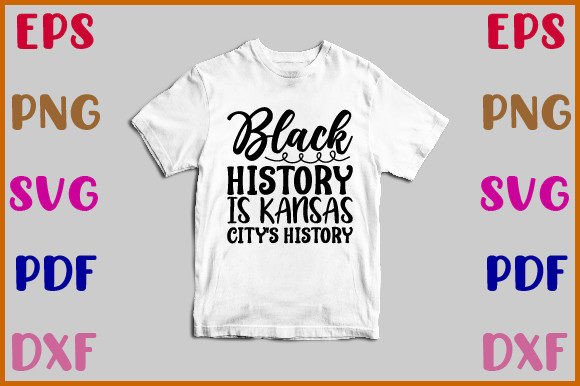
Black History is Kansas City s History
A Design for Meaning and Craft
As a designer who’s stitched countless projects from custom apparel to holiday gifts, I approach each embroidery design with the same level of scrutiny I’d apply to a client’s project. When I first saw Black History is Kansas City s History, I was struck by its boldness and emotional weight. It’s not just a design—it’s a statement. The phrase itself carries a deep sense of pride and place, and that sentiment is reflected in the visual language of the piece.
First Impressions: Mood and Visual Language
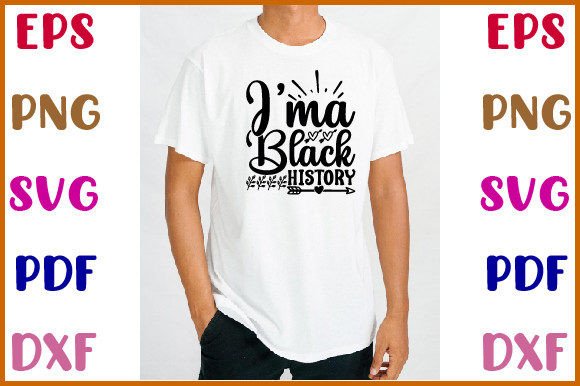
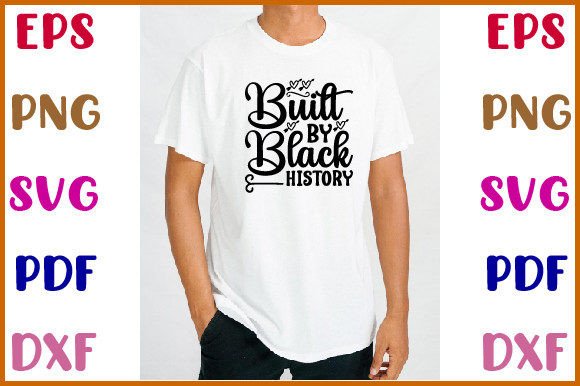
The design feels grounded yet dynamic. The layout is clean, with a strong emphasis on typography that balances readability with artistic flair. The use of negative space gives it a modern feel, while the inclusion of subtle graphic elements adds depth without overwhelming the main message. It’s the kind of design that invites you to look closer, to absorb the meaning behind every stroke and line.
This makes it particularly well-suited for projects where the message is as important as the craftsmanship. Imagine using it on a custom embroidered tote bag or a sweatshirt destined for a local boutique. The design has the presence to stand on its own, yet it also offers enough flexibility to be paired with other elements without clashing.
Real-Life Use Cases: Where This Design Shines
Black History is Kansas City s History performs best in scenarios where the message needs to be clear and impactful. Consider a personalized gift like a baby onesie or a holiday embroidery project for a family heirloom. The simplicity of the design allows it to adapt to a variety of fabric types and product forms, making it a versatile choice for both personal and commercial use.
For a small shop product, this design could serve as a powerful branding tool. A custom embroidered patch or a printed mockup for an Etsy listing would benefit from its strong visual identity. It’s also ideal for craft fair products, where clarity and impact are key to capturing customer attention.
Considerations for Real-World Embroidery
While the design is strong, there are a few areas to consider before taking it to the hoop. First, the stitch density and thread color contrast will play a critical role in how it looks on different fabrics. Darker backgrounds may require more careful selection of thread colors to ensure the text remains legible.
Additionally, the hoop size and stabilizer used will affect the final outcome. If you’re planning to use this on a small hoop or a curved surface like a cap, make sure the design scales well and maintains its integrity. Testing on scrap fabric is always a good idea before committing to a finished product.
There’s also the matter of textured fabrics and stretchy materials
There’s also the matter of textured fabrics and stretchy materials. While the design is relatively simple, it still requires a stable base to maintain its shape and clarity. Using the right stabilizer can make all the difference, especially when working with delicate or stretchy fabrics like cotton blends or jersey knits.
Design Quality and Practical Value
Black History is Kansas City s History is a design that respects both the craft and the message. Its clarity and simplicity make it a great candidate for commercial embroidery projects, but it also holds its own in handmade products and personalized gifts. The balance between detail and minimalism ensures it won’t overwhelm the viewer, yet it still carries enough character to stand out.
From a design assets standpoint, this piece is ready for use across multiple platforms. Whether it’s a digital embroidery file for an online store or a printable mockup for a catalog, it maintains its quality and intent. That said, always double-check the file formats and license terms before using it in a commercial setting.
Practical Designer Notes
If you’re considering using Black History is Kansas City s History in your own work, here are a few practical tips:
- Test the design on scrap fabric first to see how it behaves on your chosen material.
- Check thread color contrast to ensure readability, especially on dark or textured surfaces.
- Review stitch density to avoid issues with dense areas or tiny lettering.
- Confirm hoop size and stabilizer type to match the design’s complexity and scale.
- Inspect small details like corners and edges to ensure they remain sharp after stitching.
- Test in black and white mockups to evaluate how the design holds up under different lighting conditions.
- Compare light and dark fabric backgrounds to see how the design adapts to different environments.
- Use proper stabilizer to prevent puckering or distortion, especially on delicate or stretchy fabrics.
- Ensure the design works for both personal and commercial projects by checking licensing and usage rights.
- Confirm licensing before selling finished items or digital products to avoid any legal issues.
Final Thoughts: A Design That Speaks Volumes
Black History is Kansas City s History is more than just an embroidery design—it’s a conversation. It invites the viewer to reflect, to connect, and to remember. As a designer, I appreciate the care and intention behind it, and as a craftsman, I recognize its potential for real-world application.
Whether you’re creating a custom apparel piece, a personalized gift, or a commercial embroidery product, this design has the strength and clarity to make an impression. With the right preparation and attention to detail, it can become a meaningful part of your creative practice—or a standout item in your shop.